Why Eating Late Destroys Your Sleep Recovery
# Why Eating Late Destroys Your Sleep Recovery: Gastrointestinal Metabolism and Core Temperature
After a long, stressful workday, settling down on the couch for a late-night dinner or indulging in midnight snacks feels incredibly rewarding. Whether it is a bowl of cereal, a slice of pizza, or a high-protein late-night meal, many people consume a significant portion of their daily caloric intake within two hours of getting into bed. While late-night eating may make you feel drowsy initially due to blood sugar shifts, gastrointestinal scientists and sleep researchers warn that digesting heavy meals overnight severely degrades your sleep quality.
Eating late at night forces your digestive organs to work overtime while your body is trying to rest. It elevates your nocturnal heart rate, prevents your core body temperature from dropping, and suppresses Human Growth Hormone (HGH) release.
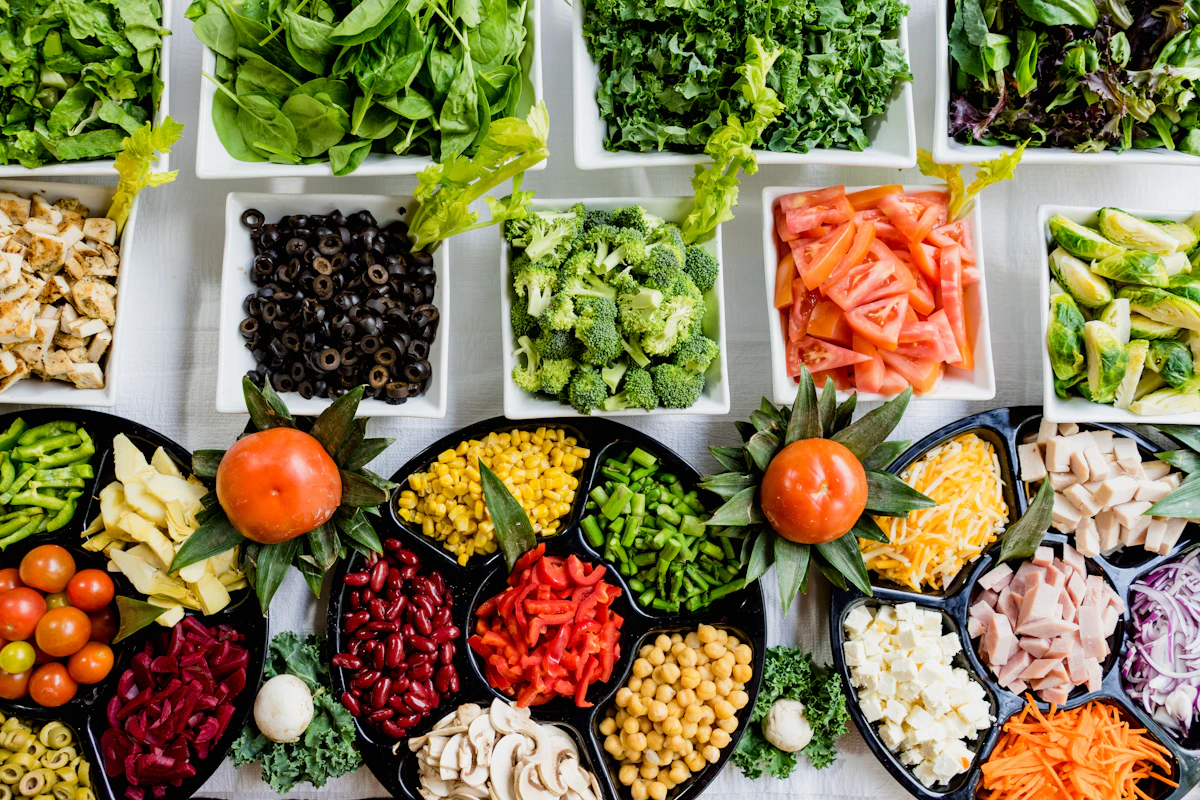
Examining the metabolic and cardiovascular impact of late-night dining reveals why establishing a strict 3-hour pre-bed food window is essential for deep physical recovery.
---
1. Thermic Effect of Food and Core Body Temperature
One of the most critical biological prerequisites for entering Stage 3 Slow-Wave Deep Sleep is a mandatory drop in core body temperature. Your body must cool down by approximately 2°F to 3°F (1°C to 1.5°C) to facilitate delta-wave brain production.
When you consume a meal, your body initiates a process called the **Thermic Effect of Food (TEF)**:
- Your stomach, liver, pancreas, and intestines secrete digestive enzymes and hydrochloric acid.
- Gastrointestinal smooth muscles contract rhythmically (peristalsis) to break down food particles.
- Blood flow is redirected en masse to your digestive tract to absorb nutrients.
This metabolic activity generates significant internal heat. If you eat a meal late at night, the Thermic Effect of Food keeps your core body temperature elevated for three to four hours. Trapped in a high-temperature state, your brain cannot maintain sustained slow-wave deep sleep, leading to frequent tossing, turning, and night sweats.
---
2. Nocturnal Cardiac Workload and Heart Rate Variability (HRV)
During high-quality restorative sleep, your cardiovascular system is supposed to enter a state of deep rest. Your resting heart rate (RHR) should drop to its lowest point during the first half of the night, and your **Heart Rate Variability (HRV)** should peak—indicating strong parasympathetic vagal recovery.

Late-night eating completely reverses this vital recovery curve:
1. **Elevated Resting Heart Rate:** Digesting nutrients requires active blood circulation. Instead of dropping into the 40s or 50s, your resting heart rate stays elevated in the 60s or 70s for hours after you fall asleep.
2. **Delayed HRV Recovery:** Heart Rate Variability remains depressed throughout the first four hours of sleep. Your heart is essentially performing light exercise while you lie unconscious in bed.
3. **Blunted Growth Hormone Release:** Human Growth Hormone (HGH)—the master hormone responsible for muscle repair, tissue regeneration, and fat burning—is released in massive pulses during early deep sleep. High blood glucose and insulin spikes caused by late-night carbohydrates severely blunt nocturnal HGH secretion.
---
3. Acid Reflux and Gastroesophageal Micro-Arousals
Beyond cardiovascular and metabolic strain, late-night dining poses a mechanical threat to sleep continuity: **Gastroesophageal Reflux (GERD)**.
When you lie down horizontally with a stomach full of un-digested food and gastric acid, gravity can no longer keep stomach contents contained. Gastric acid leaks back up into the esophagus, causing micro-irritations.
Even if acid reflux does not fully wake you up with conscious heartburn, it triggers subtle micro-arousals. Your autonomic nervous system registers mucosal irritation, causing sympathetic micro-spikes that pull you out of deep slow-wave sleep into light, unrefreshing sleep stages.
---
4. Circadian Gene Expression in Metabolic Organs
Recent breakthroughs in chronobiology show that peripheral organs—such as your liver, pancreas, and stomach—possess their own local circadian clock genes (*Bmal1*, *Clock*, *Per2*). These organ clocks expect food intake during daylight hours.
When you consume calories late at night in total darkness, your peripheral liver clock receives a signal that it is daytime, while your master brain clock (the SCN) registers night. This **circadian desynchrony** between brain and liver impairs insulin sensitivity, increases blood lipid levels, and accelerates long-term metabolic dysfunction.
---
5. The 3-Hour Pre-Bed Fasting Protocol
To protect your cardiovascular recovery, allow core body cooling, and maximize nocturnal growth hormone release, implement this simple food boundary:
Step 1: Establish a Hard 3-Hour Cutoff
Step 2: Keep Evening Dinners Moderate in Size
Step 3: Choose Tryptophan-Rich Light Snacks (If Genuinely Hungry)
---
6. Summary and Key Takeaway
Eating heavy meals late at night triggers the Thermic Effect of Food, elevating core body temperature, raising nocturnal heart rate, and blunting growth hormone release. By enforcing a strict 3-hour pre-bed food window, you allow your gastrointestinal tract to rest, paving the way for deep cardiovascular recovery and vibrant morning energy.